Why Blackout Shutters Are Essential For Night Shift Workers

Many job roles in society require 24-hour staffing: transport and logistics, hospitality and entertainment, certain retail and security, and, perhaps most vital, healthcare and medical workers. These are the services that don’t sleep.
Unfortunately for some, it means that daytime working is not always an option. Evening and night shifts are needed to ensure essential services keep running.
According to Office for National Statistics figures, up to 8.7 million people work nights or evenings in the UK, with approximately 3 million people regularly on night shifts.
How do night shifts affect sleep patterns?
Rising with nightfall and going to bed with the sunrise can play havoc with healthy sleep patterns. The impact of night working even has a name: shift work sleep disorder. It occurs when the natural circadian rhythm, or sleep pattern, is disrupted by non-traditional hours.
Disrupted circadian rhythms can cause problems with falling asleep, staying asleep and feeling sleepy when you don’t want to. Fatigue, headaches, mood swings and issues with concentration can also be symptoms.
How can you prevent sleep problems when working night shifts?
There are several ways to manage sleep problems due to night shifts. Of course, the best way would be to choose shifts that allow an ample recovery break between blocks of night shifts, but that is not always within your control.
Here are a few ways to improve your daytime sleeping:
Bedroom environment
Possibly the most beneficial is to ensure you have a bedroom that is quiet, cool and dark enough to enable quality sleep.
Solid shutters and blackout shutters on the window provide a cooler, darker environment by blocking out sunshine. They can also add some soundproofing from external noise.
Bedtime rituals
Routines for bedtime can help get your mind and body prepared for sleep, whether you are going to bed at 10 pm or 7 am. It can include herbal tea, reducing screen time, or a warm bath or shower before getting under the duvet.
Avoid sunlight before you sleep
If you have to travel home after the sun has risen, sunlight can make you more wakeful. Wearing sunglasses on the journey can help reduce its effect.
Do not disturb
Where possible, turn off notifications and ask family members not to disturb your sleep. Turn off the doorbell or notify delivery drivers not to deliver between certain times.
Related articles
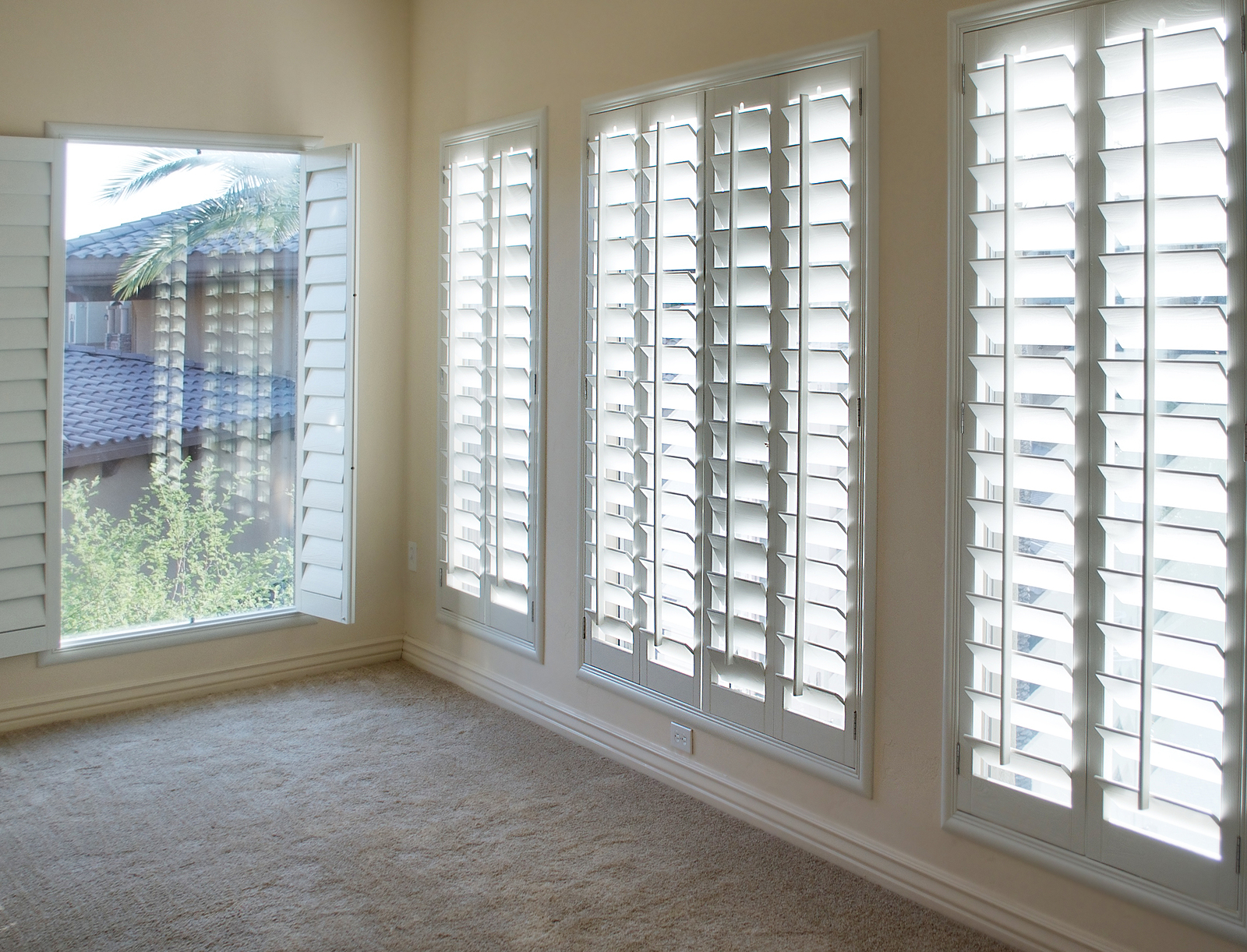
How Will Moving Home Affect Your New Shutter Choices?
If you have shutters or blinds in your current windows, you may have chosen them based on a range of factors that made these the best choice for your home. However, if you are moving, that choice will need to be made again – and it may be that what you have now is not […]
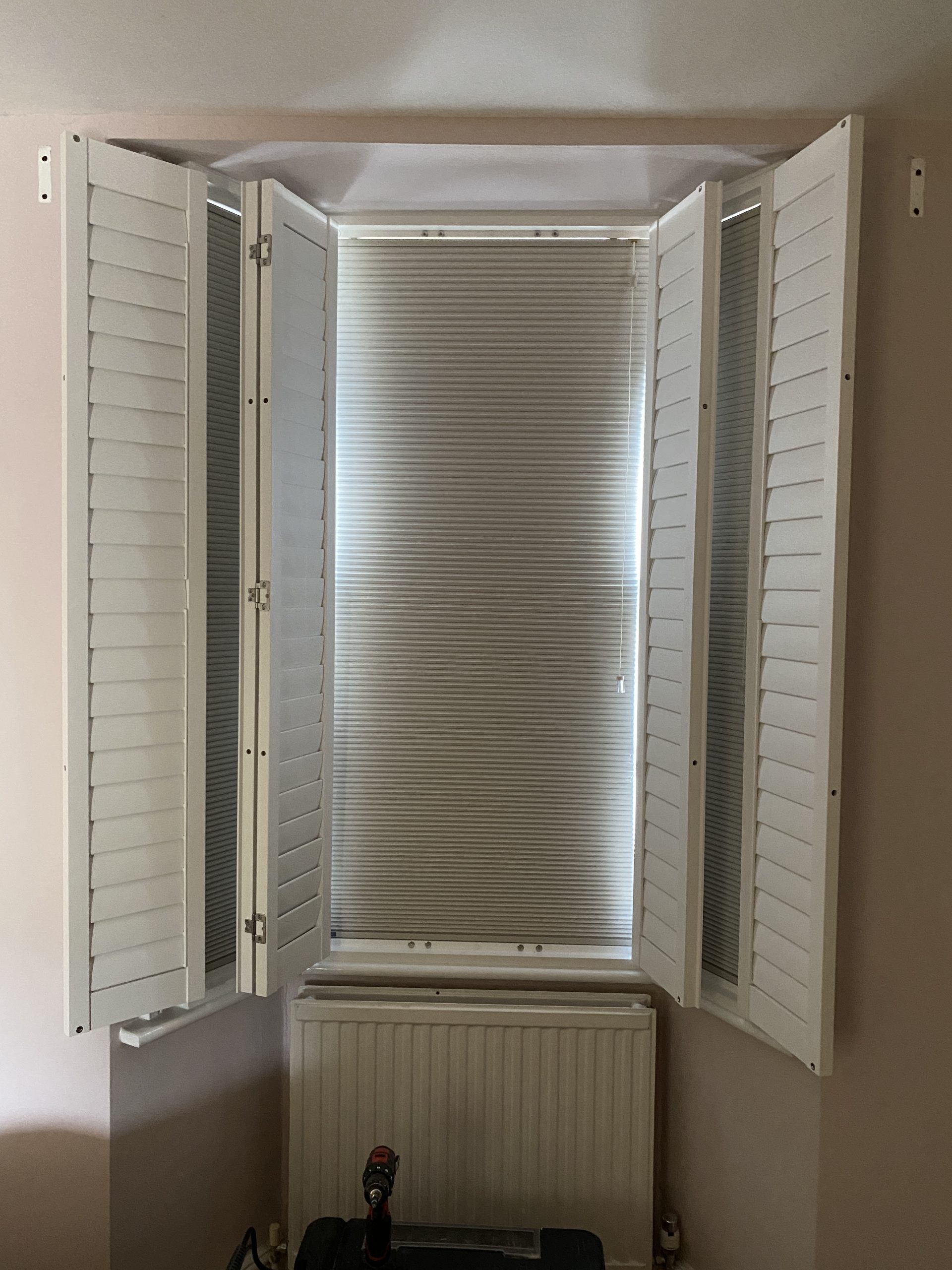
The Origins Of Blackout Shutters
The ultimate use of solid wood shutters in the bedroom are blackout shutters that stop any light from getting in that could potentially disturb a person’s sleep. Unlike blackout curtains or blinds, which use materials that could potentially move and cause small amounts of light to get in, solid blackout shutters are unlikely to move […]